
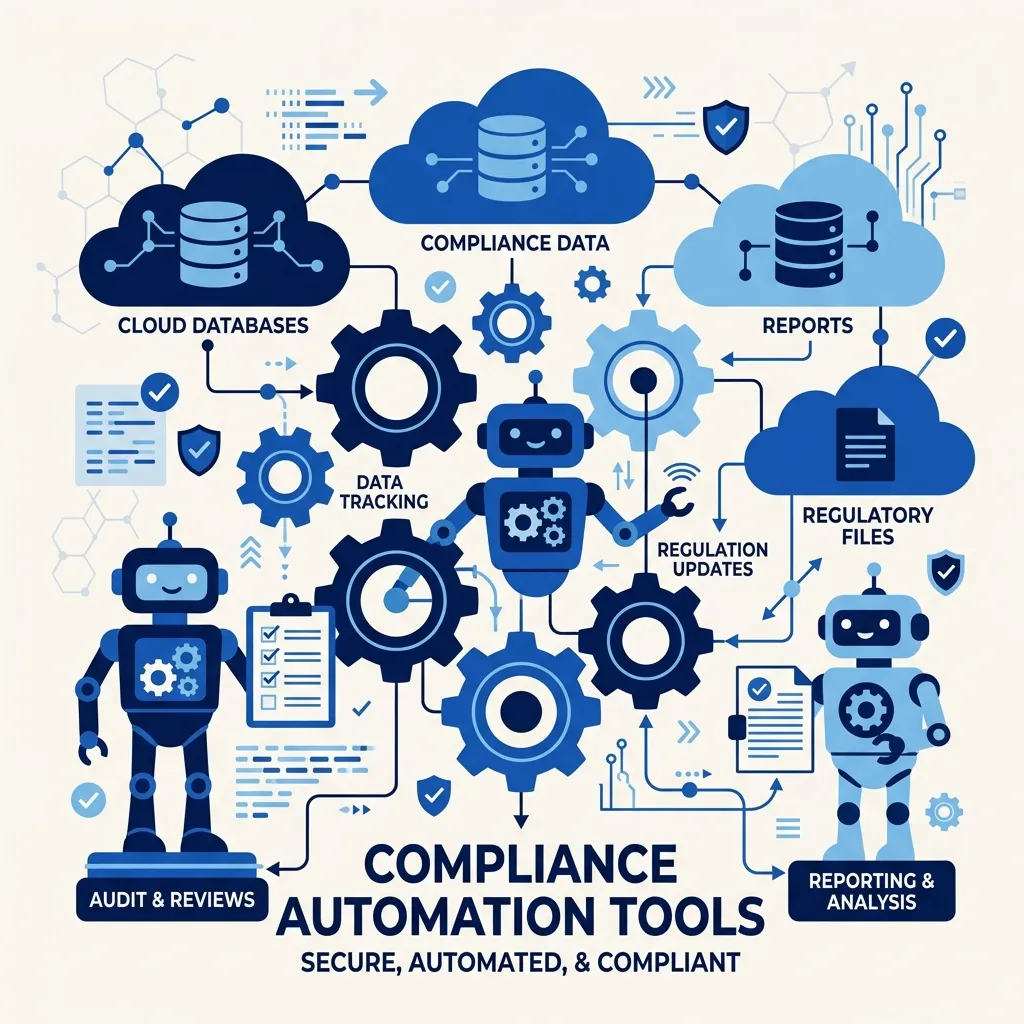
In recent years, compliance automation platforms like Vanta, Drata, Secureframe, and others have transformed how SaaS startups approach SOC 2 preparation. By connecting to cloud infrastructure via API, these tools monitor systems continuously, gather evidence automatically, and drastically reduce manual admin work.
However, many organizations purchase these platforms believing they are an “easy button” that automatically handles all compliance requirements. This misconception often leads to unexpected control failures, qualified opinions, or significant project delays.
To help you plan effectively, here is a professional breakdown of what compliance automation platforms can—and cannot—do.
What Compliance Automation Platforms Do Well
Automated Governance, Risk, and Compliance (GRC) tools are highly effective at solving specific administrative headaches. Here is where they provide the most value:
1. Automated Evidence Gathering
Traditionally, preparing for a SOC 2 audit involved manually capturing hundreds of screenshots of configuration settings, user access lists, and backup histories. GRC platforms connect directly to tools like AWS, GitHub, Google Workspace, and Jira to extract this configuration data programmatically, keeping your audit trails up to date.
2. Continuous Control Monitoring
Instead of checking compliance once a year, these platforms check your settings daily. If a developer disables multi-factor authentication (MFA) or leaves a database bucket publicly readable, the platform triggers an alert so you can resolve the issue before the auditor notices a gap.
3. Structured Employee Workflows
GRC platforms streamline employee-related controls. They host your policies, track whether employees have signed off on them, integrate with background check systems, and track completion of security training.
4. Boilerplate Policy Templates
For startups starting from scratch, GRC tools provide a library of standard security policy templates (e.g., Access Control, Data Retention, Incident Response) that cover the base requirements of the Trust Services Criteria.
What Compliance Automation Platforms Cannot Do
While GRC tools are excellent administrative assistants, they do not replace the security engineering, custom design, and professional judgment required for a successful audit.
1. Custom Policy Design & Tailoring
Templates are a starting point, but they must reflect your actual business processes. If a template says you run quarterly vulnerability scans but you actually run them monthly (or not at all), you will fail the audit. You must customize these policies to match your actual engineering workflows (review our SOC 2 Trust Services Criteria evidence checklist for examples of required configuration details).
2. Technical Control Implementation
A GRC platform can tell you that a control is missing (e.g., “Branch protection is not enabled in GitHub”), but it cannot fix it for you. Your engineering team must configure the branch protections, set up single sign-on (SSO), configure firewalls, and manage logging endpoints.
3. Compiling the System Description (Section 3)
A SOC 2 report requires a detailed narrative of your system boundaries, data flows, infrastructure architecture, and risk assessment procedures. GRC platforms do not generate this custom document. It requires deep knowledge of your software design and professional advisory input to draft (see our guide on writing a SOC 2 System Description for a detailed outline of what to include).
4. Performing the Audit
This is the most critical limitation: GRC software cannot issue a SOC 2 report. Under AICPA standards, only a licensed, independent CPA firm can conduct the examination, evaluate the evidence, and issue the final opinion. The software is simply an evidence repository for the CPA to review (refer to our CPA selection guidelines for tips on selecting the right firm).
GRC Capabilities Comparison
| Compliance Need | GRC Platform Capability | What Requires Human / Advisory Effort |
|---|---|---|
| Security Policies | Provides generic templates | Customizing policies to match actual engineering practices |
| Control Monitoring | Detects configuration drift & sends alerts | Remediating failed checks and configuring infrastructure |
| Employee Training | Hosts training modules & tracks completion | Enforcing completion and executing background checks |
| System Description | Provides basic outline fields | Writing the custom system architecture and data flows |
| CPA Examination | Provides an auditor dashboard with evidence | Answering auditor questions, explaining exceptions, and issuing the report |
The Hybrid Model: Combining Software and Advisory
To achieve a clean SOC 2 report efficiently, the industry standard has moved toward a hybrid model.
Organizations use compliance automation software to handle the continuous testing and evidence gathering, but they partner with professional CPA advisors to manage scoping, customize policies, draft the System Description, and navigate the final audit fieldwork. Whether you pursue a SOC 2 Type I or Type II report, this hybrid model ensures that you do not waste time fixing false positives in the software and that your final report is tailored to your business model.
Learn how we partner with you to implement controls and guide you through the audit process: Expert Insights SOC 2 Advisory & Examination Services.