
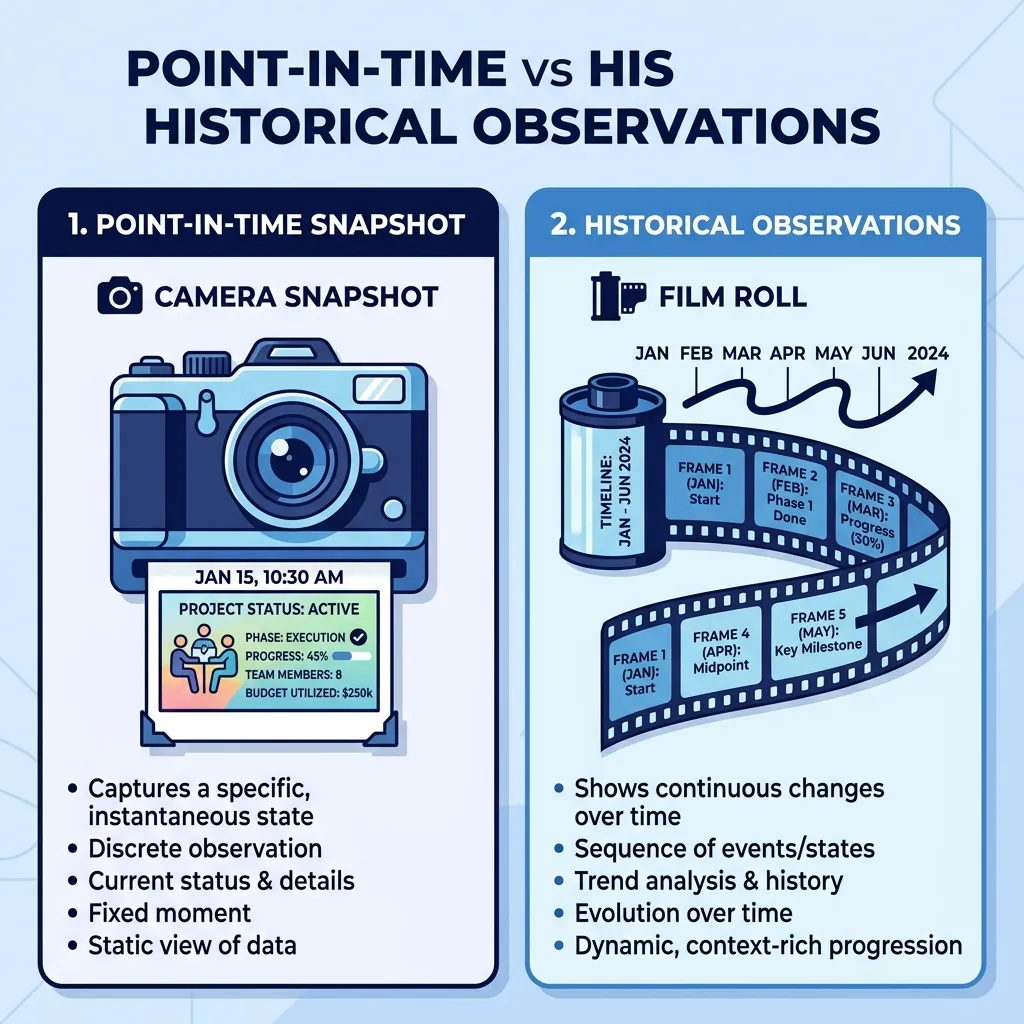
When enterprise buyers request proof of your security posture, they almost always ask for a SOC 2 report. However, as you begin the compliance journey, you will face an immediate decision: Should you pursue a SOC 2 Type I or a SOC 2 Type II audit?
Understanding the distinction is critical. Choosing the wrong report can result in wasted compliance budget, delayed sales cycles, or audits that fail to meet your customers’ procurement requirements.
Here is a professional breakdown of the core differences, cost structures, and criteria for choosing the right path for your organization.
Defining Type I and Type II
The fundamental difference between the two report types lies in time and operational history.
SOC 2 Type I: Point-in-Time Design
A Type I report evaluates the design suitability of your organization’s security controls at a specific point in time (e.g., as of June 30th).
The auditor reviews your policies, system descriptions, and evidence of implementation to verify that you have defined and installed appropriate controls. They do not test whether those controls functioned consistently over a prolonged period—only that they existed and were correctly designed on that specific date.
SOC 2 Type II: Historical Operating Effectiveness
A Type II report evaluates both the design suitability and the operating effectiveness of your controls over a specified observation window—typically 6 months (see our SOC 2 Audit Timeline Guide for a complete phase breakdown), though first-time audits can occasionally be 3 months, and subsequent annual audits are 12 months.
The auditor does not just check that a control exists; they pull random samples from across the entire observation period to verify that it functioned without failure. For example, rather than verifying that you have branch protection rules active today, a Type II audit reviews historical pull requests to prove that code reviews occurred for every deployment over the last 6 months.
Comparison: Type I vs. Type II
| Feature | SOC 2 Type I | SOC 2 Type II |
|---|---|---|
| Evaluation Period | Point in time (a single day) | Historical window (typically 6 months) |
| Audit Focus | Control design & placement | Control design & operational execution |
| Auditor Testing | Validates control exists on the audit date | Tests samples of controls across the whole period |
| Average Cost (CPA Fees) | $15,000 – $25,000 | $25,000 – $55,000+ |
| Average Timeline | 2 – 4 weeks of fieldwork | 6+ months (due to the observation window) |
| Commercial Value | Moderate (valuable for short-term sales blockers) | High (the standard for enterprise procurement) |
Cost Differences and Budget Planning
The total cost of obtaining a SOC 2 report involves several variables (refer to our comprehensive SOC 2 audit cost guide for detailed cost matrix breakdowns by company size):
- CPA Audit Fees: Type II audits require significantly more work from the CPA firm. The auditor must select random samples, perform detailed walkthroughs, and document a large testing table. This typically makes a Type II audit 50% to 100% more expensive than a Type I.
- Readiness & Tooling: Whether you use a compliance automation platform (such as Vanta, Drata, or Secureframe) or work with an advisor, the software or preparation costs are relatively similar. However, running these tools for a full 6-month observation period requires ongoing licensing and management.
- Internal Resources: A Type II audit demands more engineering and IT time. The internal team must continuously manage user access reviews, monitor alerting configurations, and respond to compliance alerts during the observation window.
How to Choose the Right Path
When to Choose SOC 2 Type I
A Type I report is rarely the final destination, but it serves as an excellent stepping stone under specific circumstances:
- Urgent Deal Requirements: If an enterprise prospect has stalled a critical deal and requires a SOC 2 report immediately, a Type I audit can be completed in a few weeks once controls are in place.
- First-Time Baseline: If your organization has low control maturity, a Type I audit helps you validate your control design with a CPA before committing to a long Type II observation period where control failures would be formally documented as exceptions.
When to Go Directly to SOC 2 Type II
For most established B2B companies, a Type II report is the ultimate goal. You should plan for a Type II report if:
- Enterprise Procurement Mandates: Large enterprises and government clients often reject Type I reports or only accept them with a signed agreement that a Type II will be delivered within a set timeframe.
- Demonstrating Security Maturity: A Type II report shows that security is embedded in your company culture, not just a document-compiling exercise completed for a single audit day.
Designing a Phased Approach
The most common strategy for growing SaaS organizations is the Phased Approach.
You begin by designing and implementing your security controls, immediately running a Type I audit to establish credibility and unblock active sales conversations. On the day your Type I audit is completed, your Type II observation window begins. Six months later, the auditor performs the Type II fieldwork, resulting in a full operating report without a gap in your security coverage.
Learn how we help you design, implement, and audit your security controls for both Type I and Type II examinations: Expert Insights SOC 2 Services.